
Top Products For Wifi Disconnectings To Keep Your Connection Stable
Explore expert-recommended solutions designed to minimize wifi disruptions and ensure seamless internet access throughout your home or offic
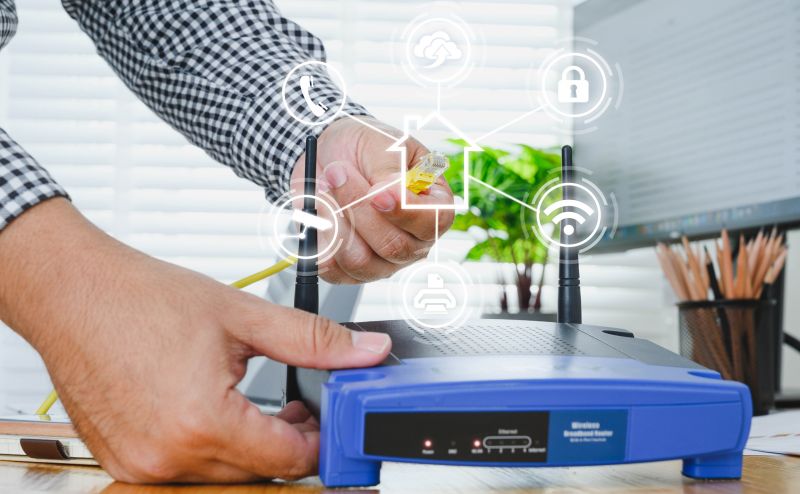 Experiencing frequent WiFi disconnects can be frustrating and disruptive, especially when relying on a stable internet connection for work, entertainment, or communication. Various factors can contribute to connectivity issues, including signal interference, outdated hardware, or network congestion. To address these challenges, a range of products are available designed to improve WiFi stability and reduce disconnects. These solutions can help optimize your network performance, ensuring a more reliable online experience.
Top Overall Option
Mesh WiFi System
A mesh WiFi system provides multiple interconnected nodes that work together to create a seamless and extensive network coverage. These systems are designed to eliminate dead zones and offer consistent signal strength throughout your space. They are often easy to set up and manage via dedicated apps, allowing for flexible placement and optimization. Mesh systems are suitable for various environments, from small apartments to large homes, and can adapt to increasing device demands. They are a versatile choice for those seeking a comprehensive solution to WiFi disconnects.
Types of Products For Wifi Disconnectings
WiFi Range Extenders
Devices that amplify your existing WiFi signal to extend coverage into areas with weak or no signal, helping to reduce disconnects in hard-to-reach spots.
Mesh WiFi Systems
Multiple interconnected nodes that create a unified wireless network, providing consistent coverage across large areas and minimizing dead zones.
WiFi Signal Boosters
Hardware designed to strengthen your WiFi signal, improving stability and reducing dropouts, especially in congested environments.
Powerline Adapters
Devices that transmit internet signals over electrical wiring, offering a wired-like connection in areas with poor WiFi coverage.
Wireless Access Points
Additional access points that expand your network's coverage and improve overall stability by creating multiple connection points.
Router Firmware Upgrades
Software updates for your existing router that can improve performance, security, and stability, reducing disconnects caused by outdated firmware.
WiFi Analyzers
Tools that scan your environment to identify sources of interference and optimal channels, helping to improve connection stability.
Network Switches
Devices that manage wired connections efficiently, reducing network congestion and improving overall stability for connected devices.
Smart Network Monitors
Devices or software that monitor network performance in real-time, providing insights and alerts to address issues proactively.
WiFi Signal Repeaters
Devices that receive and retransmit WiFi signals to extend coverage and help maintain stable connections over larger areas.
Ethernet Adapters
Devices that enable wired connections for devices that support Ethernet, offering a more stable alternative to wireless connections.
WiFi Interference Filters
Hardware or software solutions designed to reduce interference from other electronic devices, improving signal stability.
WiFi Signal Amplifiers
Devices that amplify your wireless signals to enhance coverage and reduce disconnects caused by weak signals.
Dual-Band Routers
Routers that operate on two frequency bands to reduce congestion and improve connection stability for multiple devices.
WiFi Powerline Extenders
Combining powerline technology with WiFi extenders to improve coverage and stability in challenging environments.
Popular Choices
A widely used solution for broad coverage and consistent connectivity across large or multi-story spaces.
Commonly chosen to boost signal in specific areas with weak coverage, helping to reduce disconnects.
Popular for managing multiple devices and reducing network congestion, leading to more stable connections.
Frequently used to strengthen signals in high-traffic or interference-prone environments.
Chosen for expanding network coverage in larger buildings or complex layouts.
Selected for providing wired-like stability in areas where WiFi performance is inconsistent.
A common choice for extending coverage in specific zones with frequent disconnects.
Popular tools for diagnosing interference issues and optimizing network channels.
Often used for devices requiring stable connections, reducing wireless disconnects.
Increasingly used to proactively identify and resolve connectivity issues.
When selecting products to enhance WiFi stability, it is important to consider compatibility with your existing setup, the range of coverage, and the specific features offered. Some devices focus on boosting signal strength, while others aim to reduce interference or optimize network traffic. Investing in the right tools can make a noticeable difference in maintaining consistent connectivity across your home or office environment.
Understanding your specific needs will guide you toward the most suitable products. For instance, if your WiFi drops frequently in certain areas, a WiFi extender or mesh system might be beneficial. Conversely, if interference from other electronic devices is an issue, selecting products that mitigate interference can be advantageous. By carefully evaluating your environment and connectivity requirements, you can choose solutions that help minimize WiFi disconnects and enhance overall network stability.
It is also worth noting that proper placement of these devices and regular updates can improve their effectiveness. Positioning extenders or mesh nodes centrally and away from obstructions can maximize coverage. Regular firmware updates ensure that your devices benefit from the latest performance improvements and security patches. Combining these practices with suitable hardware choices can lead to a more consistent and reliable WiFi experience.
Key Buying Considerations
- Compatibility with existing router and devices
- Coverage area and signal range needed
- Ease of installation and setup process
- Support for dual-band or tri-band frequencies
- Ability to reduce interference from other electronic devices
- Number of devices supported simultaneously
- Presence of advanced management features or app control
- Firmware update frequency and support
- Wired versus wireless connection options
- Power consumption and energy efficiency
- Physical placement flexibility
- Security features and encryption support
- Expandability for future network growth
- Customer support and warranty options
- User reviews and reliability reputation